Fault note · warming drawers
The warming drawer will not warm
Split the fault before anyone opens anything: a drawer that lights up and stays cold and a drawer that shows nothing at all are two different problems, and only one of them is likely to be the heating element.
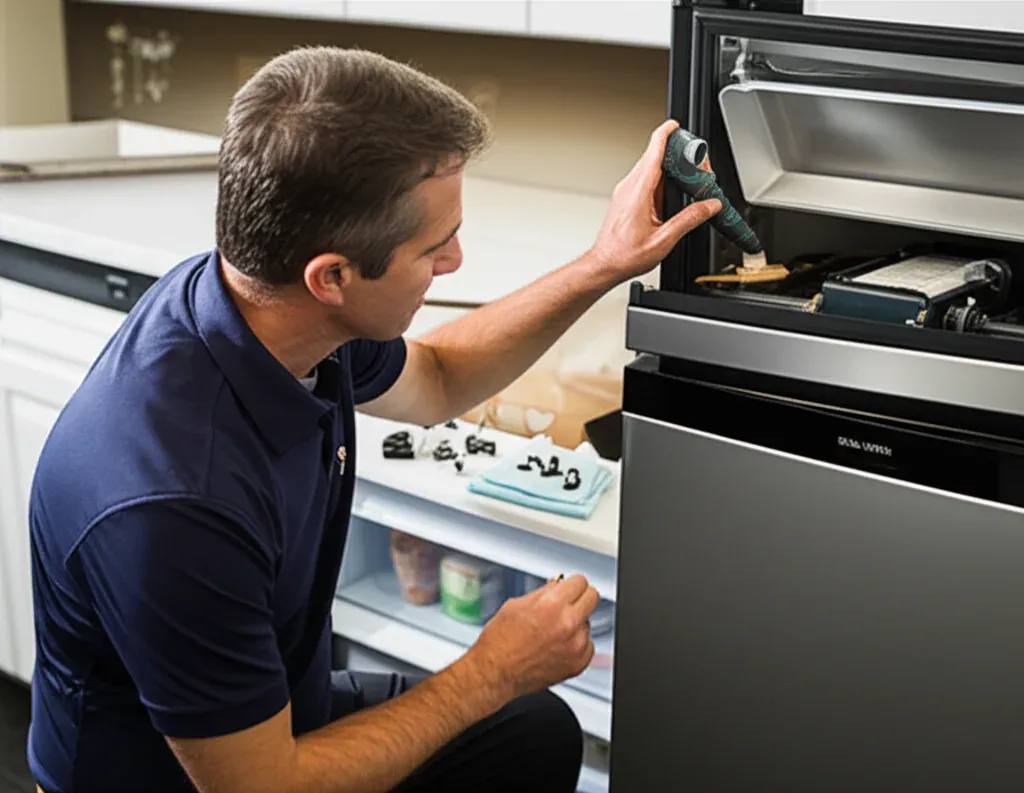
Nothing at all
No light, no fan, no response to the control
A dead warming drawer is usually dead for a boring reason. It sits on a circuit that often also serves something else in the run, and unlike an oven it has no clock to go blank, so a tripped breaker can go unnoticed for weeks — people simply assume the drawer broke.
The second candidate is the thermal cut-out. Most drawers carry one, and it is there to stop the compartment overheating if the vent is obstructed or the drawer has been run for a very long time packed solid. When it opens, the drawer goes completely inert. Some reset themselves once cool; many are one-shot devices that have to be replaced, and finding out which requires the drawer to come out.
A failed element is the third possibility rather than the first. An element that has gone open circuit normally kills the heat while leaving the control panel perfectly alive — which is the other half of this page.
Lit but cold
The panel responds and nothing happens
When the control lights, counts down or clicks and the compartment never warms, the usual suspects are the drawer switch, the setting, and the element or its relay.
The switch is worth understanding because it explains so many of these calls. A warming drawer generally will not energise unless it is fully closed on its runners — a sensible safety interlock. A runner that has been knocked out of alignment, a bent rail, a crumb tray sitting proud, or a gasket that has swollen will all hold the drawer a few millimetres short. Everything lights up; nothing heats; the drawer looks shut.
Setting catches people out just as often. A drawer left in a proofing mode is doing exactly what it was told to, and proofing temperature is barely warm to the hand. The same goes for a low setting intended for plates rather than for holding food hot.
If the switch is made, the mode is right and the compartment is genuinely cold after a proper interval, then the element, its relay on the control board, or the board itself is next — and that is bench work behind the trim, not a kitchen job.
Safe to try
Five checks that need no tools and no panels removed
None of the following involves opening the appliance. If a check does not resolve it, stop there: everything past this list is behind a trim panel with mains wiring and a high-temperature element on the other side of it.
- Find the breaker for the kitchen appliance circuits and cycle it fully off and on — a tripped breaker does not always look tripped
- Pull the drawer right out to its stop and push it firmly home, checking nothing is sitting proud of the rails or trapping the gasket
- Confirm the mode: proofing and the lowest plate setting are meant to be barely warm, and both are commonly selected by accident
- Set the highest setting with an oven thermometer inside and an empty compartment, then leave it a full twenty minutes before judging it
- Check the vent slots are not blocked by foil, a liner or a baking sheet stored inside — that is the usual reason a cut-out opened in the first place
Who to call, and why not us
Warming drawers are cooking appliances
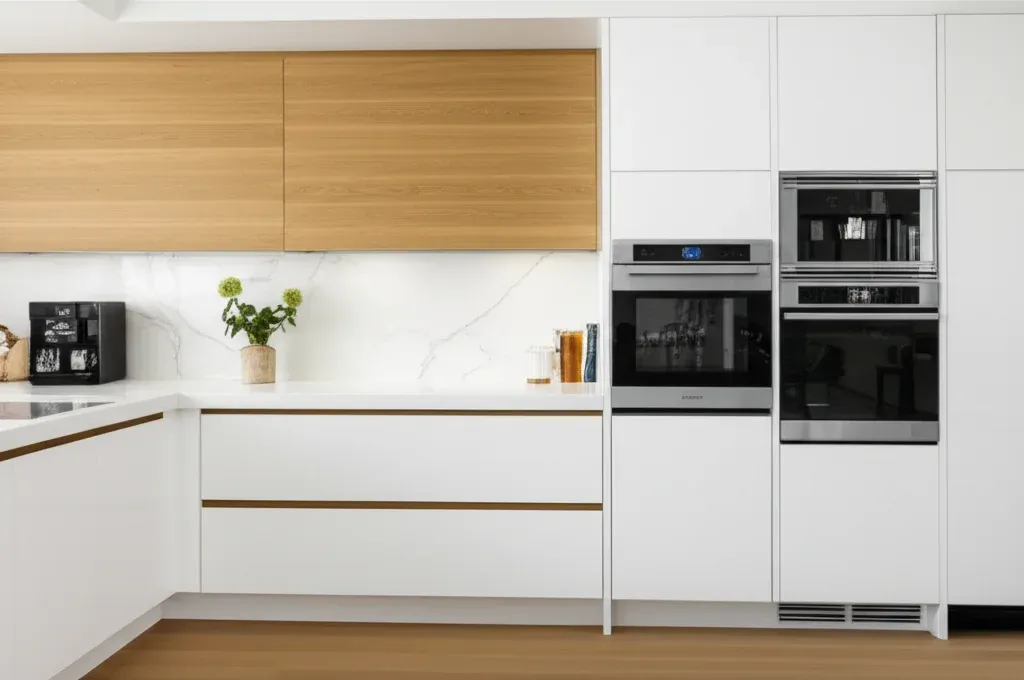
People land on this page from a Sub-Zero search for an understandable reason: Sub-Zero does not build warming drawers, and in the kitchens where you find a Sub-Zero column the drawer beside the ovens is very often a Wolf, which is the same group’s cooking brand. The badge next to the fridge and the badge on the drawer belong to the same family, so the search runs them together.
This workshop is refrigeration only — refrigerators, freezers, ice makers and wine storage. A warming drawer is not our trade, and we will not book a visit that cannot end in a repair. Call an appliance technician who covers cooking equipment, and give them the model and serial from the plate on the drawer side rail or on the frame behind it, whether the panel lights, and whether the breaker holds.
If it is the cold half of the kitchen that is misbehaving, that we can do.
Asked most often
Three short answers
- Why does my warming drawer light up but stay cold?
- Most often the drawer is not quite closed on its runners, so the safety switch never lets the element energise, or it is set to a proofing or plate-warming mode that is meant to be barely warm. If the switch is made and the setting is right, the element, its relay or the control board comes next.
- Why is my warming drawer completely dead?
- A warming drawer has no clock, so a tripped breaker often goes unnoticed for weeks. The other common cause is the thermal cut-out opening after the drawer was run with its vent blocked or packed solid, which leaves the drawer inert until that device is reset or replaced.
- Is a warming drawer worth repairing?
- Usually yes, because the frequent faults are a misaligned runner, a switch, a cut-out or a relay rather than the appliance itself. An element that has gone open circuit is a straightforward part. It is the control board that turns the sum into a question worth asking.
What we do cover
Refrigeration, in four parts
- Refrigerator repair Built-in and integrated columns, side-by-sides and undercounters
- Freezer repair Column freezers, freezer drawers and defrost faults
- Ice maker repair Fill, harvest and the supply line that feeds them
- Everything we repair The full list, and what a visit involves
Written as general guidance for anyone whose drawer has stopped heating. It is not instructions for repairing one, and nothing above requires a panel to be removed.
Tell us what the panel is showing
Ten minutes on the phone with the model number decides which parts ride out with the van. The service call is flat $95 and it comes off the repair.
What repairs run to
Flat $95 service call covering the visit and full diagnosis, credited against the repair once you approve it.